
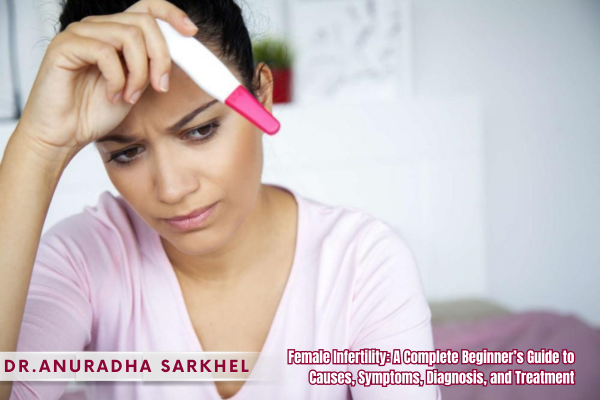
Infertility is a growing health concern affecting millions of couples worldwide. Female infertility plays a significant role in many cases of conception difficulty. However, modern medicine provides advanced diagnostic tools and treatments that help many women achieve pregnancy successfully.
In this beginner’s guide, we will explain the female infertility definition, common female infertility causes, symptoms, diagnostic tests, and available female infertility treatment options. Additionally, we will address common myths and explain the connection between male and female infertility.
1. What is Female Infertility? (Female Infertility Definition)
Before discussing the causes and treatments, it is important to understand the female infertility definition. Female infertility refers to a woman’s inability to conceive after 12 months of regular, unprotected sexual intercourse. In women over the age of 35, infertility may be diagnosed after six months of unsuccessful attempts.
Infertility does not always mean permanent inability to conceive. In fact, many women with infertility can still achieve pregnancy through proper medical care.
It is also essential to note that infertility affects both partners. Therefore, doctors often evaluate male and female infertility together because causes of infertility in males and females may occur simultaneously.
Understanding infertility early helps couples seek timely medical intervention and improves the chances of conception.
2. How Common is Female Infertility?
Globally, infertility affects approximately 10–15% of couples of reproductive age. In many cases, infertility arises due to female factors, male factors, or a combination of both.
Medical studies show that:
Female infertility accounts for about 40–50% of infertility cases
Male infertility contributes to 30–40% of cases
The remaining cases involve unexplained infertility or combined factors
Because infertility often involves both partners, doctors usually evaluate male and female infertility simultaneously to identify the exact cause.
Early diagnosis and treatment significantly improve pregnancy success rates.
3. Female Infertility Causes
Understanding female infertility causes is the first step toward proper treatment. Several medical conditions may affect a woman’s ability to conceive.
Ovulation Disorders
Ovulation disorders represent one of the most common reasons for female infertility. In these cases, the ovaries fail to release eggs regularly.
Conditions that affect ovulation include:
Polycystic Ovary Syndrome (PCOS)
Hormonal imbalance
Thyroid disorders
Premature ovarian insufficiency
When ovulation does not occur regularly, fertilization becomes difficult.
Fallopian Tube Damage
Blocked or damaged fallopian tubes prevent the egg and sperm from meeting. Tubal damage may result from:
Pelvic inflammatory disease (PID)
Sexually transmitted infections
Previous abdominal surgeries
Endometriosis
Uterine Problems
Certain abnormalities in the uterus can interfere with embryo implantation. Examples include:
Uterine fibroids
Congenital uterine abnormalities
Polyps
Scar tissue in the uterus
Endometriosis
Endometriosis occurs when tissue similar to the uterine lining grows outside the uterus. This condition can damage reproductive organs and cause significant fertility problems.
Age-Related Fertility Decline
A woman’s fertility naturally declines with age, especially after 35 years. Egg quality and quantity decrease over time, making conception more challenging.
These factors represent some of the most common reasons for female infertility.
4. Female Infertility Symptoms
Many women do not realize they have fertility problems until they begin trying to conceive. However, certain female infertility symptoms may indicate an underlying issue.
Common symptoms include:
Irregular Menstrual Cycles
Irregular or absent periods often indicate hormonal imbalance or ovulation problems.
Severe Menstrual Pain
Painful periods may suggest conditions such as endometriosis or pelvic infections.
Hormonal Symptoms
Hormonal imbalance may lead to symptoms such as:
Excess facial hair
Acne
Hair thinning
Weight changes
Pain During Intercourse
Painful intercourse may indicate pelvic disorders affecting fertility.
Difficulty Conceiving
The most common symptom of female infertility is the inability to conceive despite regular unprotected intercourse.
Women experiencing these symptoms should consult a fertility specialist for evaluation.
5. Diagnosis: Blood Test for Infertility Female and Other Tests
Doctors use several diagnostic tools to determine what causes female infertility. Early diagnosis helps guide the appropriate treatment plan.
Blood Test for Infertility Female
A blood test for infertility female helps measure important reproductive hormones. These tests evaluate:
Follicle Stimulating Hormone (FSH)
Luteinizing Hormone (LH)
Estrogen levels
Progesterone levels
Thyroid hormones
Prolactin levels
Hormone testing helps doctors determine whether ovulation occurs normally.
Ultrasound Examination
Pelvic ultrasound helps visualize the uterus and ovaries. It can detect:
Ovarian cysts
Uterine fibroids
Structural abnormalities
Hysterosalpingography (HSG)
This imaging test evaluates whether the fallopian tubes are open. Blocked tubes prevent fertilization.
Laparoscopy
In some cases, doctors perform minimally invasive surgery to diagnose conditions like endometriosis or pelvic adhesions.
These diagnostic tools allow specialists to identify what causes female infertility and design an effective treatment plan.
6. Female Infertility Treatment Options
Fortunately, several female infertility treatment options are available today. The choice of treatment depends on the underlying cause, age, and reproductive goals.
Lifestyle Modifications
Doctors often recommend simple lifestyle changes to improve fertility:
Maintaining a healthy weight
Eating a balanced diet
Reducing stress
Avoiding smoking and excessive alcohol
These changes can significantly improve reproductive health.
Medications for Ovulation Induction
Hormonal medications stimulate ovulation in women who do not ovulate regularly.
Common medications include:
Clomiphene citrate
Letrozole
Gonadotropins
These drugs help the ovaries release eggs, improving the chances of pregnancy.
Surgical Treatment
Surgery may correct structural abnormalities such as:
Removal of fibroids
Treatment of endometriosis
Opening blocked fallopian tubes
Assisted Reproductive Technology (ART)
Advanced reproductive techniques can help couples achieve pregnancy.
Examples include:
Intrauterine insemination (IUI)
In vitro fertilization (IVF)
These procedures significantly improve pregnancy success rates for many couples.
7. Male and Female Infertility: Why Both Partners Must Be Evaluated
Infertility does not only affect women. In fact, male and female infertility frequently occur together.
Doctors evaluate both partners because causes of infertility in males and females can overlap.
Male infertility may involve:
Low sperm count
Poor sperm motility
Hormonal imbalances
Genetic conditions
Therefore, fertility specialists typically recommend a complete evaluation for both partners to ensure accurate diagnosis and effective treatment.
8. Common Myths About Female Infertility
Many misconceptions surround infertility. Addressing these myths helps patients make informed decisions.
Myth 1: Does Female Masturbation Cause Infertility?
One common question is: does female masturabation cause infertility?
Medical science clearly shows that female masturbation does not cause infertility. Masturbation is a normal physiological activity and has no negative effect on fertility.
Myth 2: Infertility is Always a Woman’s Problem
This belief is incorrect. As discussed earlier, male and female infertility both contribute significantly to infertility cases.
Myth 3: Infertility Means You Can Never Get Pregnant
Many infertility conditions are treatable. With modern medicine, millions of couples successfully achieve pregnancy every year.
9. When Should You See a Doctor?
Couples should consider seeking medical advice if:
Pregnancy has not occurred after 12 months of trying
The woman is over 35 years old and has tried for six months
Menstrual cycles are irregular or absent
There is a history of pelvic infections or endometriosis
Early consultation improves the chances of successful female infertility treatment.
Conclusion
Female infertility is a complex medical condition that can arise from hormonal imbalances, structural abnormalities, ovulation disorders, or age-related factors. However, advances in reproductive medicine have made diagnosis and treatment more effective than ever.
By understanding the female infertility definition, recognizing female infertility symptoms, identifying female infertility causes, and seeking timely medical evaluation such as a blood test for infertility female, couples can take proactive steps toward achieving pregnancy.
Most importantly, infertility should never be faced alone. With proper medical guidance and support, many couples overcome fertility challenges and build the families they dream of.